

Cart
0
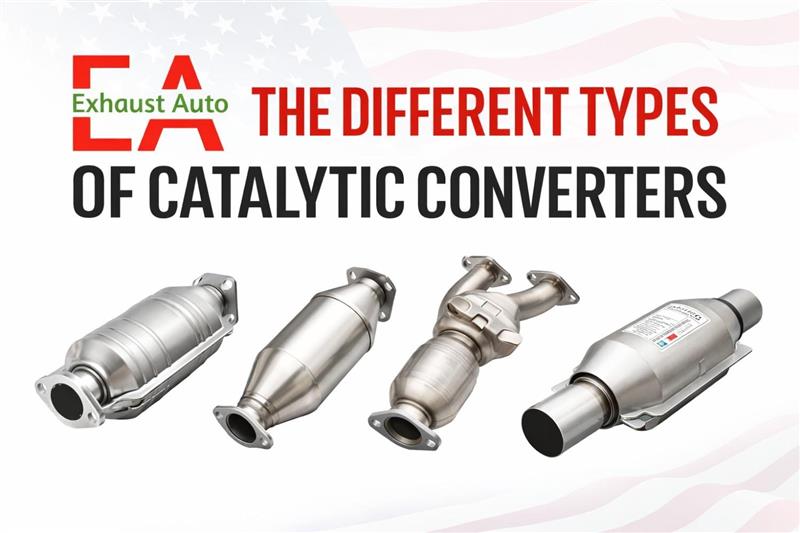
A catalytic converter is one of the most important components in your vehicle’s exhaust system. It helps reduce harmful emissions, keeps your vehicle compliant with U.S. regulations, and ensures smoother engine performance.
If your catalytic converter fails or gets stolen, choosing the right replacement matters—not just for performance, but also for legality in your state.
In this guide from ExhaustAuto, we explain the different types of catalytic converters, how they work, and which one is right for your vehicle in the USA.
What Is a Catalytic Converter?
A catalytic converter is designed to reduce toxic gases produced during combustion. As exhaust gases pass through the converter, precious metals inside it trigger chemical reactions that transform pollutants into safer emissions like carbon dioxide, nitrogen, and water vapor.
In the United States, catalytic converters are legally required on gasoline vehicles, and using the wrong type can cause failed emissions tests or fines. That’s why understanding the different types is essential before buying.
What Is a Direct-Fit Catalytic Converter?

A Direct-Fit Catalytic Converter is engineered specifically for a certain vehicle make, model, and year. It matches the original factory design and bolts directly into your exhaust system without cutting or welding.
Why Choose a Direct-Fit Converter?
-
Exact OEM-style fitment
-
Faster and easier installation
-
Maintains factory exhaust routing
-
Ideal for daily drivers and stock vehicles
Because they are vehicle-specific, direct-fit catalytic converters usually cost more than universal options. However, the convenience, reliability, and proper emissions performance make them a popular choice among U.S. car owners.
Best for: Drivers who want a hassle-free replacement with factory-level fit and performance.
What Is a Universal Catalytic Converter?


A Universal Catalytic Converter is designed to work across many vehicles rather than one specific model. These converters come with standard inlet and outlet sizes and must be cut and welded into place.
Advantages of Universal Catalytic Converters
-
More affordable than direct-fit options
-
Flexible for custom exhaust systems
-
Widely available in different sizes
Things to Keep in Mind
-
Professional welding is usually required
-
Installation takes more time
-
Proper sizing is critical for performance
Universal catalytic converters are common in custom builds, older vehicles, and budget-friendly repairs.
Best for: Custom exhaust setups or cost-conscious replacements where professional installation is available.
What Is a Manifold Catalytic Converter?


A Manifold Catalytic Converter combines the exhaust manifold and catalytic converter into a single unit. Instead of gases traveling down to a separate converter, emissions are treated immediately as they exit the engine.
Why Manifold Converters Exist
-
Faster emissions reduction
-
Improved cold-start performance
-
Compact engine bay design
These converters are commonly found on newer vehicles that prioritize emissions efficiency. Because the entire assembly must be replaced, manifold catalytic converters are typically more expensive and labor-intensive to install.
Best for: Modern vehicles originally designed with integrated manifold converters.
What Is a CARB Compliant Catalytic Converter?


A CARB Compliant Catalytic Converter meets the strict emissions standards set by the California Air Resources Board. These converters are required in California and CARB-regulated states, including New York, Colorado, and others.
What Makes CARB Converters Different
-
Independently tested and certified
-
Carry an official EO (Executive Order) number
-
Lower emissions output than federal units
Installing a non-CARB converter in a CARB state can result in failed inspections and legal penalties—even if the vehicle runs fine.
Best for: Vehicles registered in CARB-regulated states or owners who want the highest emissions compliance level.
What Are Federal / EPA Compliant Catalytic Converters?


EPA (Federal) Compliant Catalytic Converters meet emissions standards set by the U.S. Environmental Protection Agency. These converters are legal in most U.S. states, excluding CARB-regulated regions.
Types of EPA Converters
-
OEM-Grade: Designed to meet standard federal requirements
-
Heavy Metal (HM): Higher precious metal content for improved durability
EPA converters are widely used across the USA and provide reliable emissions control when CARB compliance is not required.
Best for: Vehicles registered in federal-emissions states outside CARB jurisdiction.
How to Choose the Right Catalytic Converter
Choosing the correct catalytic converter depends on more than just price.
Before You Buy, Check:
-
Your state’s emissions regulations
-
Your vehicle’s emissions label (under the hood)
-
Required compliance: CARB or EPA
-
Installation preference: bolt-on or welded
-
Vehicle usage: daily driving or custom build
At ExhaustAuto.com, we help U.S. customers choose the right catalytic converter that matches both legal requirements and performance needs.
Why Buy Catalytic Converters from ExhaustAuto.com?
-
USA-compliant products
-
High-quality materials and construction
-
Options for direct-fit and universal applications
-
Trusted support for fitment and compliance questions
We focus on real performance, real compliance, and real value—no shortcuts.
Final Thoughts
Understanding the different types of catalytic converters helps you avoid costly mistakes and ensures your vehicle stays road-legal and efficient. Whether you need a Direct-Fit, Universal, Manifold, CARB Compliant, or EPA Compliant catalytic converter, choosing the right one protects both your engine and the environment.
Explore premium catalytic converters at ExhaustAuto and drive with confidence—mile after mile.


